
Divorce and Its Impact on Mental Health
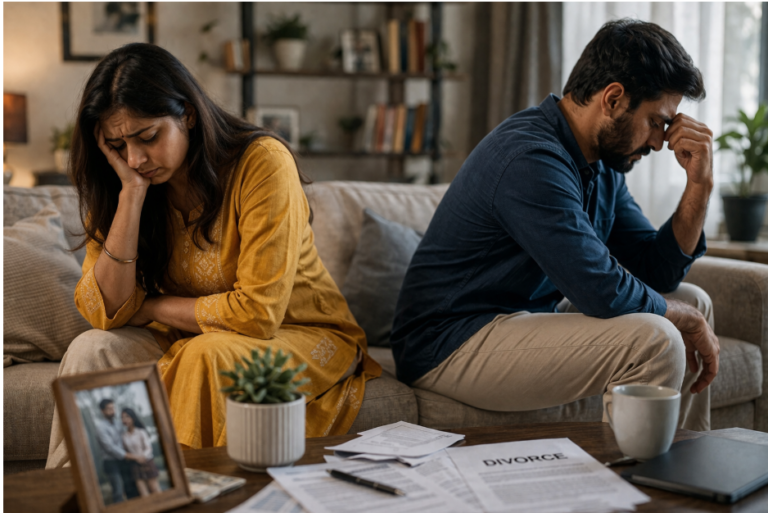
Divorce is one of the most emotionally challenging experiences an individual can face. While it legally marks the end of a marriage, emotionally it often represents the loss of companionship, shared responsibilities, emotional security, and future plans.
The transition that follows divorce can influence multiple aspects of life, including emotional well-being, mental health, relationships, social connections, and daily functioning, and in some cases, individuals may consider consulting a Psychiatrist in Lucknow for professional guidance.
Marriage often becomes an important source of emotional stability.
When that support changes or disappears, individuals may experience uncertainty, loneliness, and emotional imbalance.
Even when divorce is mutual and peaceful, the emotional adjustment can still be difficult. Individuals may feel sadness, stress, anxiety, and emotional exhaustion as they adapt to new circumstances.
Understanding how divorce affects mental health helps individuals recognize emotional changes, manage stress effectively, and seek support when necessary.
Emotional awareness is an important step toward healing and rebuilding life after divorce.
Why Divorce Has a Strong Impact on Mental Health
Divorce involves major life adjustments. These changes often happen within a short period, making emotional adaptation challenging. Individuals may experience changes in living arrangements, financial responsibilities, parenting roles, and social relationships.
These sudden transitions can create emotional strain and psychological stress.
Uncertainty about the future is another significant factor. Questions related to finances, career, children, and personal relationships may create ongoing worry. This uncertainty can lead to anxiety, difficulty concentrating, and emotional fatigue.
Divorce can also affect personal identity. Being married often becomes part of an individual's identity and daily routine. After divorce, adjusting to a new identity and independent lifestyle may take time. Individuals may need to rebuild confidence and redefine personal goals.
The emotional impact of divorce also depends on factors such as the nature of the relationship, the reason for separation, and the level of emotional support available.
High-conflict divorces may increase stress, while supportive environments may help individuals cope more effectively.
Emotional Stages of Divorce
Divorce often triggers emotional responses similar to grief. Individuals may move through different emotional stages while adjusting to the changes. These stages do not follow a fixed order, and each person's experience may differ.
Shock and Denial
In the early stage, individuals may struggle to accept the reality of divorce. There may be emotional numbness, confusion, or disbelief. This stage is more common when divorce is unexpected. During this period, individuals may find it difficult to focus on daily responsibilities or make decisions.
Anger and Frustration
As the reality of divorce becomes clearer, feelings of anger and frustration may arise. Individuals may feel hurt, betrayed, or disappointed. These emotions may be directed toward the partner, circumstances, or even themselves. This emotional response is natural and part of the healing process.
Anxiety and Fear
Divorce often brings uncertainty about finances, parenting responsibilities, and future relationships. These concerns may create anxiety and fear. Individuals may experience restlessness, difficulty sleeping, and excessive worry about the future.
Sadness and Emotional Withdrawal
Feelings of sadness and loneliness are common during divorce. Individuals may lose interest in social activities and experience emotional fatigue. This stage may involve reduced motivation and a sense of isolation.
Acceptance and Healing
Over time, individuals gradually begin to accept the changes in their lives. Emotional healing begins as individuals develop new routines and adjust to their circumstances. Acceptance helps individuals move forward and rebuild their lives.
Psychological Effects of Divorce
Divorce can lead to both short-term and long-term psychological effects. The emotional impact varies depending on personal circumstances, coping skills, and available support.
One of the most common effects is increased stress. Divorce often involves legal processes, financial decisions, and emotional challenges. Prolonged stress may affect concentration, mood, and overall mental well-being.
Anxiety is another common response. Individuals may experience constant worry, difficulty relaxing, and overthinking situations. Anxiety may also affect sleep patterns and daily productivity.
Depression may develop in some individuals. Persistent sadness, emotional fatigue, and low motivation may occur, especially when individuals feel isolated or overwhelmed. Recognizing these emotional changes early is important for recovery.
Self-esteem may also be affected. Individuals may question their self-worth, attractiveness, or ability to form future relationships. Rebuilding confidence becomes an essential part of emotional healing.
In some cases, individuals may also experience difficulty trusting others, emotional sensitivity, and reduced social interaction. These responses are common and usually improve with time and emotional support.
Physical Health and Divorce
Emotional stress during divorce can also affect physical health. Mental distress often manifests as fatigue, headaches, muscle tension, and sleep disturbances. Long-term stress may weaken the immune system and reduce overall energy levels.
Individuals may also experience changes in appetite, reduced physical activity, and general exhaustion. Maintaining physical health during divorce is important because physical well-being directly supports emotional recovery.
Simple lifestyle habits such as regular sleep, balanced nutrition, and light exercise can help improve mood and reduce stress levels.
Divorce and Children's Mental Health
Divorce affects children as well as parents. Children may struggle to understand the changes happening in their family. They may feel confused, anxious, or worried about their future.
Children often benefit from open communication and reassurance. When parents maintain stable routines and provide emotional support, children adjust more effectively. A supportive and calm environment helps children feel secure during this transition.
Parents should also avoid exposing children to conflict. Positive communication and cooperation between parents can reduce emotional stress for children.
Factors That Influence Mental Health During Divorce
Several factors influence how individuals cope with divorce. The level of conflict between partners plays a significant role. High-conflict divorces may lead to greater emotional strain and prolonged stress.
Financial stability is another important factor. Uncertainty about finances may increase anxiety and emotional distress. Social support from family and friends can help reduce feelings of isolation and improve emotional recovery.
Parenting responsibilities may also create additional emotional pressure. Managing co-parenting arrangements and maintaining stability for children requires patience and emotional resilience.
Healthy Coping Strategies During Divorce
Divorce can be emotionally overwhelming, but adopting healthy coping strategies can support recovery. Allowing yourself to experience emotions rather than suppressing them is important. Acknowledging feelings helps individuals process emotional changes more effectively.
Seeking emotional support from trusted friends or family members can help reduce emotional burden. Talking about experiences allows individuals to gain perspective and feel supported.
Maintaining a structured routine also helps restore stability. Regular sleep, healthy meals, and physical activity contribute to improved mental health. Stress management techniques such as meditation, mindfulness, and relaxation exercises may also reduce anxiety.
Engaging in hobbies and spending time with supportive people promotes emotional healing. Focusing on personal growth and setting small achievable goals can improve confidence.
Long-Term Recovery After Divorce
Healing after divorce takes time. Individuals gradually adjust to new responsibilities and routines. Over time, emotional resilience develops, and individuals begin to feel more confident and independent.
Divorce may also create opportunities for personal growth. Individuals often rediscover personal interests, values, and goals. This process helps develop self-awareness and emotional strength.
With time, individuals may feel ready to build new relationships. Emotional readiness varies from person to person, and allowing time for healing is important.
When to Seek Professional Help
Professional support may be helpful when emotional distress becomes overwhelming or persistent. If individuals experience prolonged sadness, severe anxiety, sleep disturbances, or difficulty managing daily responsibilities, seeking professional help is recommended.
A mental health professional can help individuals process emotions, develop coping strategies, and rebuild emotional stability. In some cases, consulting a psychiatrist may provide additional professional guidance and personalized support during this challenging phase.
Moving Forward After Divorce
Divorce represents a major life transition. Although the emotional impact may be significant, many individuals gradually rebuild their lives and develop emotional resilience. With time, support, and self-care, individuals can regain confidence and create a positive future.
Conclusion:
Divorce can have a significant impact on mental health and emotional well-being. The end of a marriage often brings emotional stress, uncertainty, and major life adjustments that can affect daily functioning, relationships, and overall quality of life.
Feelings of sadness, anxiety, loneliness, and emotional exhaustion are common during this transition, and these responses are a natural part of coping with such a major life change.
FAQs
1. How does divorce affect mental health?
Divorce can impact mental health by increasing stress, anxiety, and emotional distress. Individuals may experience sadness, loneliness, and difficulty adjusting to life changes, especially during the initial phase after separation.
2. Is it normal to feel depressed after a divorce?
Yes, feeling sad or emotionally low after a divorce is common. However, if symptoms like persistent sadness, loss of interest, or lack of motivation continue for a long time, it may indicate depression and professional support should be considered.
3. How long does it take to emotionally recover from a divorce?
Emotional recovery varies from person to person. Some individuals adjust within a few months, while others may take longer depending on personal circumstances, emotional support, and coping strategies.
4. What are the best ways to cope with divorce stress?
Healthy coping strategies include maintaining a routine, staying physically active, talking to supportive people, practicing mindfulness, and focusing on personal growth. Seeking professional help can also be beneficial.
5. When should I seek professional help after a divorce?
You should consider seeking professional help if you experience prolonged anxiety, severe emotional distress, sleep problems, or difficulty managing daily life. A mental health expert can provide guidance and support for recovery.