
OCD Treatment Doctor in Lucknow – Get Expert Care at Happy Minds Psychiatry Clinic
What is OCD?
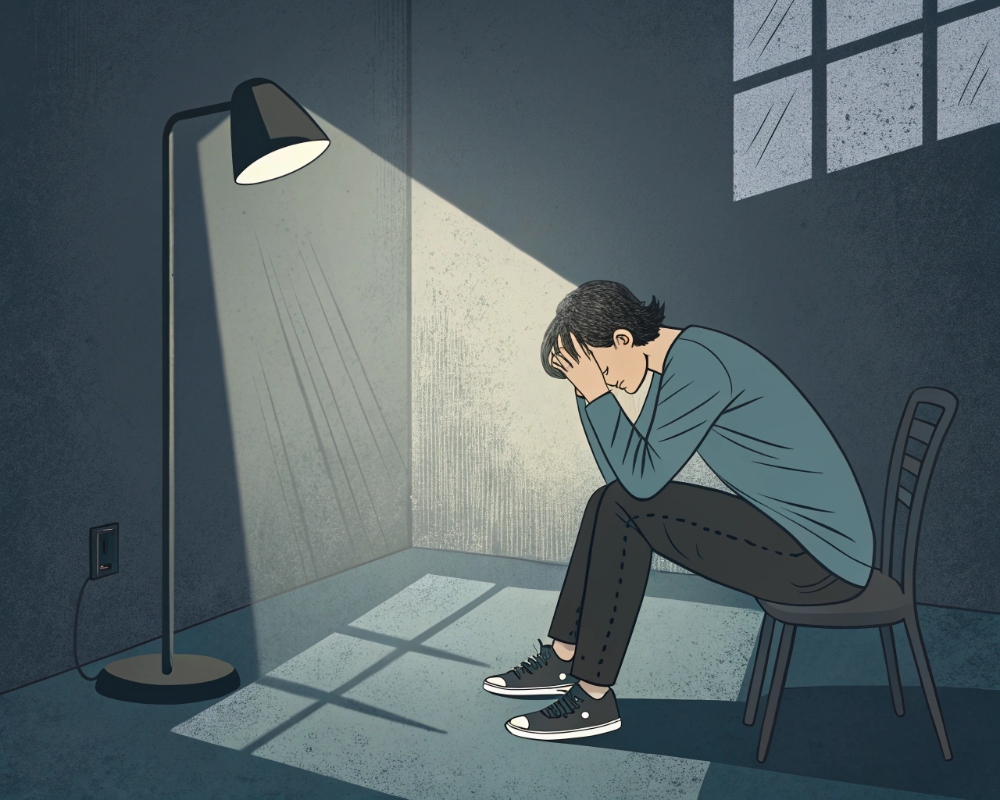
Obsessive-Compulsive Disorder (OCD) is a chronic mental health condition characterized by persistent, unwanted thoughts, images, or urges (known as obsessions) that create significant anxiety, and by repetitive behaviours or mental acts (known as compulsions) that a person feels compelled to perform to reduce that anxiety. These obsessions and compulsions consume time, disrupt daily life, and reduce quality of life if left untreated.
Unlike normal habits or preferences (such as keeping things tidy), OCD symptoms are distressing, intrusive, and ego-dystonic — meaning the person recognises them as unreasonable but feels unable to stop.
Getting timely OCD treatment from a qualified OCD Doctor in Lucknow can significantly reduce symptoms and improve functioning.
Types of OCD
OCD can show up in different themes and patterns, often combining more than one of the following:
Contamination & Cleaning
Fear of germs, dirt, viruses, or uncleanliness leads to excessive washing or sanitising rituals.
Checking
Repeatedly checking things like locks, stoves, switches, or alarms to relieve doubt.
Symmetry & Ordering
An intense need for order, exactness, or patterns — leading to arranging or aligning objects repeatedly.
Intrusive Thoughts
Unwanted violent, sexual, or blasphemous images or ideas that cause distress, even if the person has no intention of acting on them.
Mental Rituals or Repeating
Repeating words, prayers, numbers, or mental checks to "neutralise" anxiety.
Hoarding Traits
Holding onto items excessively out of fear that something bad may happen, even if they have no value.
Each type may dominate in different individuals, and certain people experience a mix of symptoms. A personalized assessment by an OCD Doctor in Lucknow helps identify the specific presentations for targeted treatment.
Symptoms of OCD
OCD symptoms include both emotional and physical components.
Emotional Symptoms
- Persistent, intrusive, excessive worries or fears that are hard to control.
- Feeling driven to follow certain mental or behavioural patterns to ease anxiety.
- Distress, shame, embarrassment, or frustration over inability to control thoughts.
- Avoidance of situations or places that trigger obsessive thoughts.
Physical Symptoms
- Repetitive behaviours such as washing, checking, touching, counting, or arranging objects.
- Time-consuming rituals (often taking more than an hour per day).
- Restlessness, muscle tension, or trouble concentrating due to anxiety.
- Fatigue or burnout from trying to control intrusive thoughts.
Unlike normal habits, OCD symptoms interfere with life goals, relationships, work, or studies. Recognising both emotional and physical signs early can lead to more effective OCD treatment in Lucknow.
Causes & Risk Factors
The precise cause of OCD is not fully known, but research suggests that a combination of biological, genetic, and environmental factors contribute.
Biological Factors
- Neurochemical imbalances in serotonin pathways may play a direct role in OCD symptoms.
- Differences in brain areas that control behaviour and emotional regulation are often observed.
Risk Factors
- Age: Onset is commonly in the teen years or early adulthood.
- Presence of other mental health conditions like anxiety or depression.
- Childhood adversity or chronic stress.
Genetic Risk
- People with a close family member who has OCD or other anxiety disorders are more likely to develop OCD.
Environmental & Psychological Influences
- Stressful life events, trauma, or major life changes can trigger or worsen symptoms.
- Learning or adopting behavioural patterns from family or caregivers may play a minor role.
How OCD is Diagnosed
There is no blood test or brain scan that alone diagnoses OCD. Instead, diagnosis is made through a comprehensive clinical evaluation by a psychiatrist or psychologist.
A formal diagnosis typically involves:
- A detailed psychiatric interview about thoughts, feelings, and behaviours.
- Assessment of how much obsessions and compulsions interfere with daily life.
- Ruling out other mental health disorders that may mimic OCD symptoms, like anxiety disorders, depression, or obsessive-compulsive personality traits.
- Often, standardised scales like the Yale-Brown Obsessive Compulsive Scale (Y-BOCS) are used to measure severity.
Diagnosis is the first vital step toward effective OCD treatment in Lucknow — allowing your doctor to recommend the most appropriate therapies and medications.
Treatment Options
The best outcomes in OCD come from combining evidence-based therapies with medication and supportive lifestyle changes.
Psychotherapy (Talk Therapy)
Cognitive Behavioral Therapy (CBT) is the most effective therapy for OCD, especially a form called Exposure and Response Prevention (ERP):
- ERP involves gradual exposure to feared thoughts or triggers.
- You learn to resist the urge to perform compulsive rituals, reducing anxiety over time.
ERP is considered the gold standard for OCD and can significantly reduce symptoms when practised consistently with a trained therapist.
Medications
Selective Serotonin Reuptake Inhibitors (SSRIs) are usually the first line of medication:
- Examples include sertraline, fluoxetine, fluvoxamine, etc.
- Sometimes higher-dose SSRIs or clomipramine (a tricyclic antidepressant) are used for more severe cases.
Medications typically take several weeks to show full benefit. Regular follow-up with your OCD Doctor in Lucknow ensures optimal dosing and side-effect monitoring.
Advanced & Adjunctive Options
For treatment-resistant OCD:
- Transcranial Magnetic Stimulation (TMS) — non-invasive brain stimulation approved for OCD.
- Supportive therapies like group therapy, family counselling, or mindfulness-based CBT can enhance progress.
Lifestyle & Self-Care Strategies
While not substitutes for clinical treatment, the following can support recovery:
- Regular physical activity and healthy sleep.
- Mindfulness meditation and stress-reduction techniques.
- Keeping a routine and setting realistic daily goals.
When to Seek Urgent Help from a Psychiatrist in Lucknow
Despite progress in treatment, certain situations require immediate attention from a mental health professional or emergency service:
Urgent Warning Signs
- Thoughts of self-harm or suicide.
- Severe anxiety that leads to inability to function or care for self.
- Rapid escalation in compulsive behaviours that cause physical harm.
If you experience any of these symptoms, contact your OCD Doctor in Lucknow straight away or seek emergency psychiatric care.
Testimonials & Success Stories
After years of uncontrolled thoughts and rituals, I finally feel free. Therapy + support at Happy Minds changed my life.
Patient
Gomti Nagar
Dr. Agarwal listened without judgment. For the first time, I understood OCD, and got real help, not just medicines.
Young professional
Lucknow
FAQs
Clinic Location – Easy to Find, Convenient for Everyone
Happy Minds Psychiatry Clinic is located in the heart of Gomti Nagar, one of the most accessible and well-connected areas of Lucknow.
279, Eldeco Greens, Near Fun Republic Mall, Gomti Nagar, Lucknow – 226010
The clinic is situated inside the peaceful Eldeco Greens locality, just a few steps from Fun Republic Mall, making it easy to reach from all major landmarks such as:
- Gomti Nagar Railway Station
- One Awadh Mall
- Vibhuti Khand & Vijayant Khand
- Indira Nagar & Faizabad Road
- Hazratganj & Alambagh
You'll find the clinic in a calm, residential neighborhood — away from noise — ensuring privacy and a stress-free environment for your visit. Ample parking space and easy navigation through Google Maps make the experience even smoother.
Whether you're coming by car, cab, or public transport, the clinic is centrally located for the entire city.