
Head Injury and Its Psychiatric Implications
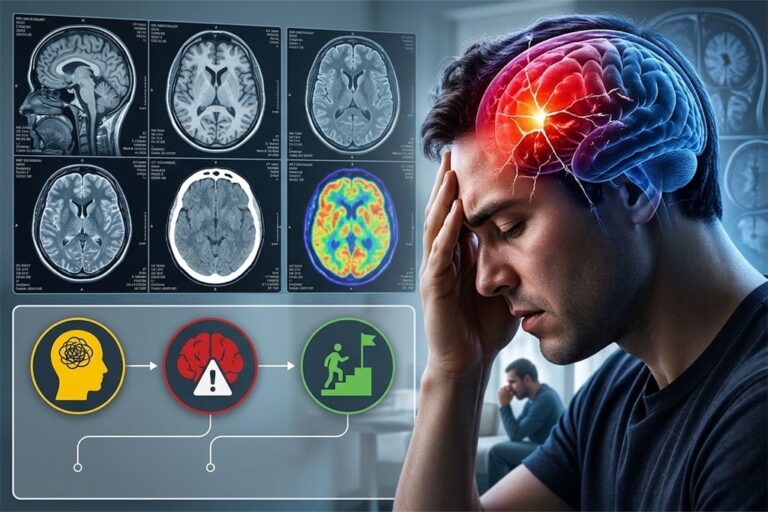
Head injuries are commonly associated with visible physical symptoms such as headache, dizziness, or loss of consciousness. However, the psychological and psychiatric effects of head injuries are often overlooked.
A head injury can significantly impact a person's mental health, emotional stability, behavior, and cognitive functioning. In some cases, these psychiatric complications may be more challenging to manage than the physical injury itself.
The brain plays a central role in regulating emotions, memory, personality, and behavior. When trauma affects the brain, it can disrupt these essential functions.
As a result, patients may experience changes in mood, thinking ability, personality, and emotional responses. These symptoms may appear immediately after the injury or gradually develop over time, sometimes weeks or even months later.
Understanding the psychiatric implications of head injury is important for early diagnosis, timely treatment, and better long-term recovery.
Understanding Head Injury
A head injury refers to any trauma affecting the scalp, skull, or brain. The severity of head injuries can range from mild concussions to severe traumatic brain injuries. Even mild head injuries should not be ignored, as they can sometimes lead to lasting psychological and cognitive effects.
Head injuries commonly occur due to road traffic accidents, falls, sports injuries, workplace accidents, or physical trauma. In older adults, falls are one of the leading causes of head injury, while younger individuals often experience head injuries due to accidents or sports-related incidents.
Depending on severity, head injuries are generally classified as mild, moderate, or severe. Mild head injuries may involve brief confusion, headache, or dizziness, while moderate to severe injuries can cause prolonged unconsciousness, memory loss, behavioral changes, or neurological deficits.
While physical recovery may occur within weeks, psychiatric symptoms may persist for longer and sometimes become chronic if not properly managed.
How Head Injury Affects Mental Health
The brain contains different regions responsible for emotional regulation, behavior control, memory, and decision-making. When a head injury affects these areas, it may lead to psychiatric complications. For example, injury to the frontal lobe can cause personality changes and impulsive behavior, while damage to other brain areas may lead to memory issues or mood disorders.
Psychiatric complications may occur due to direct brain injury, emotional stress following trauma, or lifestyle changes resulting from disability or reduced functioning. In many patients, a combination of these factors contributes to mental health challenges.
These complications can significantly affect personal relationships, work performance, and overall quality of life.
Common Psychiatric Implications After Head Injury
Depression After Head Injury
Depression is one of the most frequently reported psychiatric complications following head injury. Patients may experience persistent sadness, loss of interest in daily activities, lack of motivation, fatigue, and sleep disturbances. Some individuals may also experience feelings of hopelessness or frustration due to difficulty returning to normal life.
Depression after head injury can occur due to physical brain changes as well as emotional stress. Patients who experience prolonged recovery, chronic pain, or lifestyle changes may be at higher risk of developing depression. Early recognition and treatment are important to prevent worsening symptoms.
Anxiety Disorders
Anxiety is another common psychiatric complication after head injury. Patients may develop excessive worry, restlessness, irritability, or difficulty concentrating. Some individuals may develop panic attacks or fear related to the event that caused the injury, such as fear of driving after a road accident.
Anxiety can interfere with daily activities and may also worsen other symptoms such as sleep disturbances and fatigue. If left untreated, anxiety disorders may affect recovery and overall mental well-being.
Personality and Behavioral Changes
Personality changes are often observed after head injury, particularly when the frontal lobe is affected. Patients who were previously calm and patient may become irritable, impulsive, or emotionally unstable. Some individuals may develop aggressive behavior, reduced tolerance, or sudden mood swings.
These behavioral changes can be distressing for both patients and their families. In some cases, patients may not even recognize the changes themselves, which makes family support and professional evaluation especially important.
Memory Problems and Cognitive Difficulties
Cognitive impairment is another important psychiatric implication of head injury. Patients may experience difficulty remembering recent events, concentrating on tasks, or processing information. Some individuals may also find it difficult to make decisions or manage multiple tasks at once.
These cognitive problems can affect work performance, academic ability, and daily functioning. Even mild cognitive impairment can lead to frustration and emotional distress, which may further contribute to anxiety or depression.
Mood Disorders and Emotional Instability
Patients with head injuries often experience mood swings and emotional instability. They may experience sudden anger, crying spells, or emotional reactions that seem disproportionate to the situation. These symptoms occur due to disruption in brain areas responsible for emotional regulation.
Emotional instability can make it difficult for patients to maintain relationships and social interactions. With appropriate treatment and therapy, many patients experience gradual improvement.
Post-Traumatic Stress Disorder (PTSD)
In cases where head injury occurs due to traumatic events such as accidents, violence, or falls, patients may develop post-traumatic stress disorder. Individuals with PTSD may experience flashbacks, nightmares, avoidance behavior, and heightened anxiety.
PTSD can significantly impact mental health and daily life. Early psychological support and therapy can help patients manage symptoms effectively.
Delayed Psychiatric Symptoms
One important aspect of head injury is that psychiatric symptoms may not appear immediately. Some patients may initially recover physically but later develop mood changes, anxiety, or memory problems. This delayed onset often leads to confusion and delayed diagnosis.
Family members and caregivers should monitor patients closely for behavioral or emotional changes in the weeks and months following a head injury.
Risk Factors for Psychiatric Complications
Not all patients with head injury develop psychiatric complications. However, certain factors increase the risk, including severe head injury, repeated head trauma, previous mental health conditions, lack of social support, and delayed medical treatment.
Patients who experience significant lifestyle changes after injury, such as inability to return to work or reduced independence, may also be more vulnerable to psychiatric symptoms.
Diagnosis and Evaluation
Diagnosis of psychiatric complications after head injury requires a comprehensive assessment. Doctors evaluate the patient's symptoms, medical history, and behavioral changes. In some cases, brain imaging such as CT scan or MRI may be recommended to assess structural damage.
Psychological evaluation and cognitive testing may also be used to identify memory issues, attention deficits, and emotional disturbances. Early diagnosis plays a crucial role in improving outcomes.
Treatment and Management
Treatment of psychiatric complications after head injury depends on the type and severity of symptoms. A multidisciplinary approach involving neurologists, psychiatrists, psychologists, and rehabilitation specialists often provides the best results.
Medication may be prescribed to manage depression, anxiety, mood disorders, or sleep disturbances. Psychological therapies such as cognitive behavioral therapy and counseling help patients develop coping strategies and manage emotional challenges.
Cognitive rehabilitation programs are often recommended for patients with memory and attention difficulties. These programs focus on improving mental functioning and helping patients return to daily activities.
Lifestyle modifications also play an important role in recovery. Adequate sleep, balanced nutrition, stress management, and gradual return to daily routines support brain healing and improve mental health.
Recovery and Long-Term Outlook
Recovery from psychiatric complications after head injury varies from person to person. Some patients recover within a few weeks, while others may require long-term management. Early intervention, proper treatment, and strong family support significantly improve recovery outcomes.
Regular follow-up with healthcare professionals helps monitor progress and adjust treatment plans as needed.
When to Seek Medical Help
It is important to seek medical attention if you notice persistent mood changes, anxiety, memory issues, or unusual behavior after a head injury. Early intervention not only improves recovery but also prevents complications.
Consulting a Psychiatrist at the right time can make a significant difference in long-term outcomes.
Conclusion
Head injuries can have significant psychiatric implications that affect emotional well-being, behavior, and cognitive functioning. Depression, anxiety, personality changes, and memory problems are common complications that may develop after head injury. Recognizing these symptoms early and seeking professional help can improve recovery and overall quality of life.
With proper medical care, psychological support, and rehabilitation, many patients successfully recover and return to their normal routines.
FAQs
1. Can head injury cause mental health problems?
Yes, head injuries can affect brain function and lead to mental health issues such as depression, anxiety, personality changes, and memory problems.
2. How long do psychiatric symptoms last after head injury?
Psychiatric symptoms may last from weeks to months depending on severity of injury and treatment. Some patients may require long-term management.
3. Can mild head injury cause psychiatric complications?
Yes, even mild head injuries can lead to emotional and cognitive changes, especially if not properly monitored.
4. Are psychiatric complications after head injury treatable?
Yes, with proper treatment including medication, therapy, and rehabilitation, many patients experience significant improvement.
5. When should I consult a doctor after head injury?
Consult a doctor if you notice mood changes, anxiety, depression, memory problems, or behavioral changes after a head injury. Early evaluation improves recovery outcomes.