
Panic Disorder vs Panic Attack: Understanding the Difference
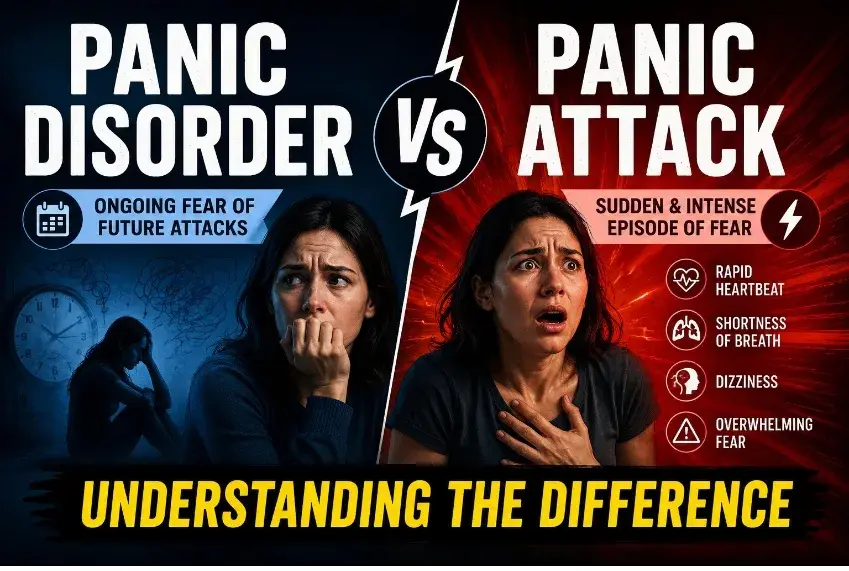
Have you ever felt your heart suddenly start racing, your palms go sweaty, and a wave of dread wash over you for no clear reason? If so, you're not alone. Many people experience this kind of episode at least once in their lives. But here's where confusion often creeps in: is that a "panic attack," or is it something more serious called "panic disorder"?
While the two terms are frequently used interchangeably in everyday conversation, they actually describe very different experiences. Understanding the distinction isn't just a matter of semantics — it can shape how you seek help, how you talk to your doctor, and how you begin to heal. As Dr. Pranshu Agrawal often explains to patients, recognizing this difference is often the first real step toward recovery. In this article, we'll break down what a panic attack is, what panic disorder is, how they relate to one another, and what steps you can take if either one is affecting your life.
What Is a Panic Attack?
A panic attack is a sudden, intense surge of fear or discomfort that peaks within minutes. It can strike without warning, even during sleep, or it can be triggered by a stressful situation, a phobia, or a specific memory. Physically, it can feel alarming enough that many people mistake it for a heart attack or another medical emergency.
Common symptoms of a panic attack include:
- A racing or pounding heartbeat
- Shortness of breath or a feeling of choking
- Chest pain or tightness
- Trembling or shaking
- Sweating
- Nausea or stomach distress
- Dizziness or lightheadedness
- Chills or hot flashes
- Numbness or tingling sensations
- A feeling of unreality (derealization) or detachment from oneself (depersonalization)
- An overwhelming fear of losing control or "going crazy"
- A fear of dying
These symptoms typically peak within about 10 minutes and usually resolve within 20 to 30 minutes, though the emotional aftershock — feeling shaky, exhausted, or on edge — can linger longer.
Importantly, panic attacks are common. Research suggests that a significant portion of the general population will experience at least one panic attack during their lifetime, often in response to major stress, sleep deprivation, excessive caffeine, or a frightening event. Having one panic attack does not mean a person has panic disorder. In many cases, an isolated panic attack is a one-time response to an unusually stressful period of life and doesn't recur.
What Is Panic Disorder?
Panic disorder, on the other hand, is a diagnosable anxiety condition characterized by recurrent, unexpected panic attacks, along with persistent worry about having more attacks or about the consequences of an attack (such as losing control, having a heart attack, or embarrassing oneself in public).
For a clinician to diagnose panic disorder, a person typically needs to experience:
1. Recurrent, unexpected panic attacks.
2. At least one month (or more) of persistent concern about having additional attacks, worry about the implications of the attack, or a significant change in behavior related to the attacks (such as avoiding certain places or situations).
This second criterion is key. Panic disorder isn't just about experiencing panic attacks — it's about how those attacks begin to take over a person's thinking and behavior. Someone with panic disorder often starts organizing their life around the fear of the next attack. They may avoid crowded places, driving, flying, or even leaving the house altogether, a pattern that can evolve into a related condition called agoraphobia.
In other words, a panic attack is an event. Panic disorder is a pattern — one where panic attacks recur unpredictably, and the fear of future attacks becomes a driving force in a person's daily life.
| Aspect | Panic Attack | Panic Disorder |
|---|---|---|
| Definition | A sudden, time-limited episode of intense fear or discomfort | A chronic condition marked by recurrent panic attacks and ongoing fear of future attacks |
| Frequency | Can be a single, isolated event | Attacks recur, often unpredictably, over weeks or months |
| Duration of Impact | Symptoms resolve within minutes | The associated worry and avoidance can persist for months or years if untreated |
| Underlying Pattern | May be triggered by stress, phobia, or occur "out of the blue" | Involves ongoing anticipatory anxiety and behavioral changes (avoidance) |
| Diagnosis | Not a stand-alone diagnosis; can occur in various conditions | A specific diagnosis in mental health classification systems |
| Life Impact | Usually limited to the episode itself | Often affects work, relationships, and daily functioning over time |
Why the Distinction Matters
Understanding whether you're dealing with an isolated panic attack or panic disorder matters for a few important reasons.
It shapes the treatment approach. A single panic attack triggered by an identifiable stressor (like public speaking or a near-miss car accident) might resolve with basic coping strategies, stress management, and time. Panic disorder, however, usually benefits from a more structured treatment plan, which may include therapy, medication, or a combination of both.
It affects how symptoms are interpreted. Someone unfamiliar with panic attacks might interpret the physical symptoms — chest tightness, racing heart, shortness of breath — as a sign of a serious cardiac event. This is especially true for a first-time attack. Understanding the difference helps people (and their doctors) rule out medical causes and appropriately identify anxiety-related symptoms without unnecessary alarm or repeated emergency room visits.
It reduces self-blame and confusion. Many people who experience panic attacks worry that something is fundamentally "wrong" with them. Recognizing that panic attacks are a common human experience — and that panic disorder is a well-understood, treatable medical condition — can reduce shame and encourage people to seek help sooner.
What Causes Panic Attacks and Panic Disorder?
The exact cause of panic attacks and panic disorder isn't fully understood, but research points to a combination of factors:
- Biological factors: Panic disorder tends to run in families, suggesting a genetic component. Differences in brain regions involved in fear response, such as the amygdala, may also play a role.
- Stress and life transitions: Major life changes — starting a new job, having a baby, losing a loved one, or going through a divorce — can act as triggers.
- Temperament: People who are more sensitive to stress or prone to negative emotions may be at higher risk.
- Substance use: Excessive caffeine, certain medications, or withdrawal from alcohol or sedatives can provoke panic-like symptoms.
- Underlying health conditions: Thyroid problems, cardiac issues, and respiratory conditions can sometimes mimic or contribute to panic symptoms, which is why a medical evaluation is often an important first step.
Panic Attacks Aren't Exclusive to Panic Disorder
It's worth noting that panic attacks can also occur alongside other conditions, not just panic disorder. They can appear in the context of specific phobias, social anxiety disorder, post-traumatic stress disorder (PTSD), depression, and even certain medical conditions. This is another reason why the distinction between "having a panic attack" and "having panic disorder" is clinically important — the right treatment depends on accurately identifying the underlying pattern.
Treatment Options
The encouraging news is that both isolated panic attacks and panic disorder respond well to treatment. Common approaches include:
1. Psychotherapy
Cognitive Behavioral Therapy (CBT) is considered one of the most effective treatments for panic disorder. It helps individuals identify and challenge the catastrophic thoughts that fuel panic (e.g., "I'm having a heart attack" or "I'm going to lose control") and gradually reduces avoidance behaviors through structured exposure exercises.
Exposure therapy, often used within CBT, helps individuals confront feared sensations or situations in a controlled, gradual way, reducing the power those triggers hold over time.
2. Medication
For many people with panic disorder, medication can help reduce the frequency and intensity of attacks, particularly in combination with therapy. Options a psychiatrist might consider include certain antidepressants (such as SSRIs or SNRIs) for longer-term management, and, in some cases, short-term use of other medications for acute symptom relief. Medication decisions should always be made in consultation with a qualified psychiatrist, who can weigh the benefits and risks based on an individual's health history.
3. Lifestyle and Self-Management Strategies
While not a replacement for professional treatment, several lifestyle habits can support recovery and reduce the frequency of panic symptoms:
- Breathing techniques: Slow, diaphragmatic breathing can help calm the body's stress response during an attack.
- Regular exercise: Physical activity has been shown to reduce overall anxiety levels.
- Limiting stimulants: Reducing caffeine and other stimulants can lessen the likelihood of triggering physical symptoms that mimic panic.
- Consistent sleep: Sleep deprivation can heighten anxiety sensitivity.
- Mindfulness and relaxation practices: Techniques like progressive muscle relaxation or grounding exercises can help interrupt the escalation of anxious thoughts.
4. Professional Support
Because panic disorder can significantly affect daily functioning, working with a mental health professional — such as a psychiatrist or psychologist — is often the most effective path forward. A professional can help determine whether what you're experiencing is an isolated panic attack, a symptom of another condition, or panic disorder itself, and can tailor a treatment plan accordingly.
When to Seek Help
It's a good idea to consult a mental health professional if:
- You've had more than one unexpected panic attack.
- You find yourself worrying persistently about having another attack.
- You've started avoiding places, activities, or situations because of fear of panic.
- Panic symptoms are interfering with your work, relationships, or daily routine.
- You're unsure whether your symptoms are related to anxiety or a medical condition.
There's no need to wait until symptoms become severe. Early intervention often leads to better outcomes and can prevent the cycle of fear and avoidance from becoming more deeply entrenched.
Final Thoughts
At their core, the difference between a panic attack and panic disorder comes down to pattern and impact. A panic attack is a single, intense episode — frightening in the moment, but often resolved on its own. Panic disorder is an ongoing condition in which the fear of future attacks begins to shape a person's choices and daily life.
Recognizing which one you may be experiencing is the first step toward getting the right kind of support. Whether it's learning coping strategies for an isolated episode or pursuing structured treatment for a recurring pattern, help is available — and recovery is absolutely possible.
If you or someone you know is struggling with panic attacks or symptoms that sound like panic disorder, reaching out to a qualified mental health professional can make all the difference. You don't have to navigate it alone.
This article is for informational purposes only and is not a substitute for professional medical or psychiatric advice. If you are experiencing symptoms of panic disorder or any mental health concern, please consult a qualified healthcare provider.
Frequently Asked Questions (FAQs)
1. Can a panic attack turn into panic disorder?
A single panic attack does not automatically mean someone has panic disorder. However, if attacks start recurring and are followed by persistent fear of having another one, or by avoidance of certain places and situations, it may indicate the development of panic disorder. A mental health professional can help determine this with an accurate evaluation.
2. How long does a panic attack usually last?
Most panic attacks peak within about 10 minutes and begin to subside within 20 to 30 minutes. However, the emotional exhaustion and lingering unease afterward can last longer, sometimes for the rest of the day.
3. Is panic disorder a lifelong condition?
Not necessarily. With appropriate treatment, such as therapy and, when needed, medication, many people see a significant reduction in symptoms or go into long-term remission. Early treatment tends to lead to better outcomes.
4. Can panic attacks happen without any obvious trigger?
Yes. One hallmark of panic disorder is that attacks can occur unexpectedly, without a clear trigger, which is often what makes them so distressing and confusing for the person experiencing them.
5. Are panic attacks dangerous to physical health?
Panic attacks themselves are not usually physically dangerous, even though the symptoms can feel severe and frightening. That said, because symptoms like chest pain and shortness of breath can mimic heart or lung conditions, it's important to get a proper medical evaluation, especially with a first-time attack.
6. When should I see a psychiatrist for panic symptoms?
If panic attacks are recurring, causing ongoing worry, or leading you to avoid daily activities, it's a good time to consult a psychiatrist. Early intervention can prevent symptoms from becoming more disruptive over time.